
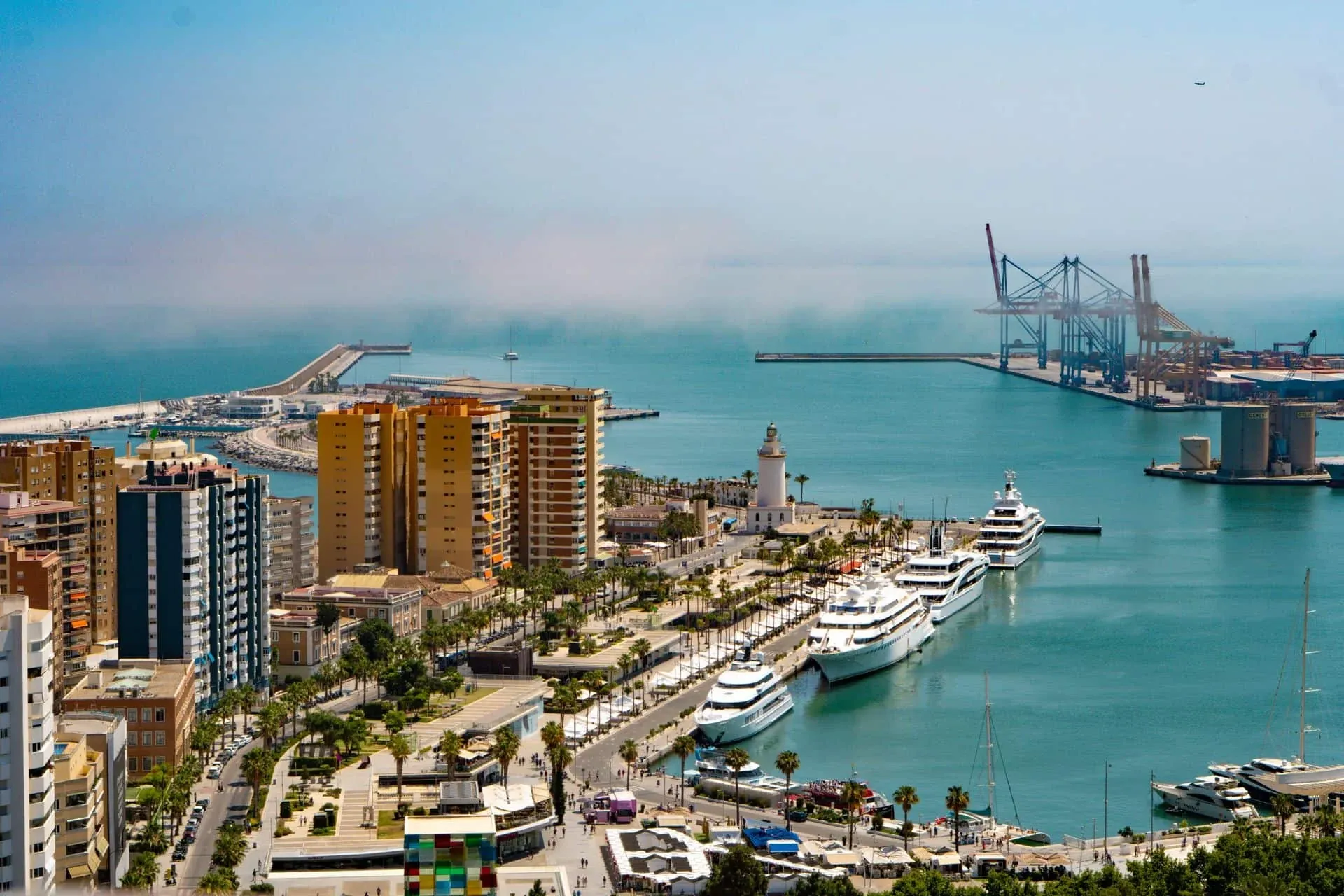
Málaga remains one of Spain’s strongest property markets in 2026. Prices in Málaga city sit around €3,700–€3,800 per m², roughly 9–10% higher than a year ago. But behind the headline numbers, the market has changed pace. For the first time in three years, buyers have room to negotiate – and sellers need a sharper strategy.
Prices: still rising, but more slowly
After annual increases of more than 14% in 2023 and peaks above 20% in 2024, price growth in Málaga has cooled to single or low double digits. According to idealista data, Málaga city reached about €3,780/m² in June 2026, around 9% up year on year. The province as a whole rose about 12% over the twelve months to May.
This is not a correction. It is a market moving from a sprint to a steady run. Limited supply of good homes, international demand and a growing tech and services economy continue to support prices.
More choice for buyers
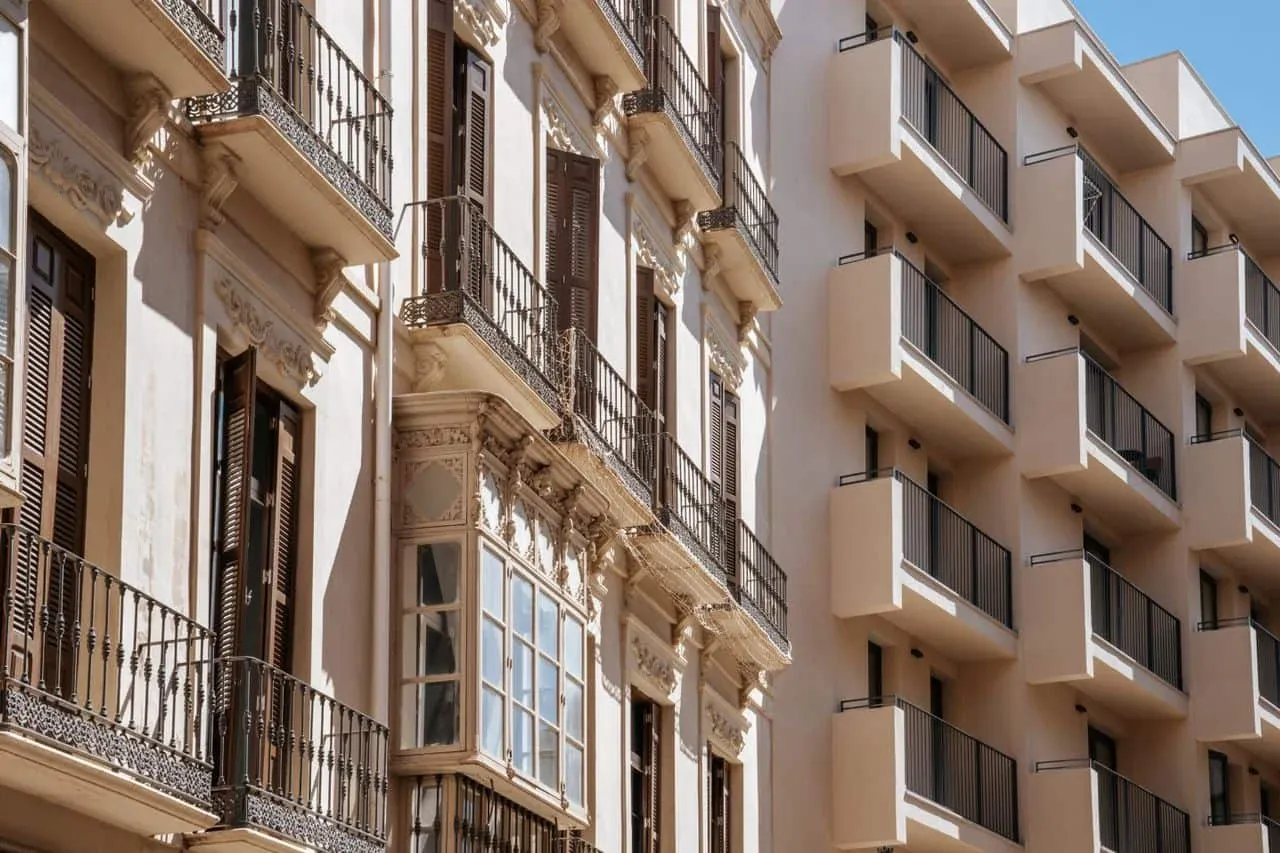
While the number of homes for sale fell by about 10% across Spain over the past year, Málaga was one of the few provinces where supply actually grew, by roughly 3%. More choice means more negotiating power.
We see this every day. Homes above €500,000 that used to sell within weeks now often take two months or more. Well-priced properties still sell quickly; overpriced ones sit. Buyers are now regularly closing 4–7% below the asking price, something that was rare eighteen months ago.
Where demand is strongest
Demand is concentrated in three segments:
• Well-located city apartments near the centre, the beach or good transport, popular with both residents and investors.
• The eastern coastal neighbourhoods (Pedregalejo, El Palo, El Limonar, Cerrado de Calderón), where supply is very limited and families compete for houses.
• The prime and luxury segment, which remains resilient. Marbella ended 2025 at a record average of about €5,485/m², more than double the Spanish average.
Emerging districts such as Martiricos-La Roca, Campanillas and Ciudad Jardín are among the fastest risers, as buyers look for value outside the most expensive areas.
Tourism keeps feeding demand

Málaga’s visibility keeps growing. Málaga-Costa del Sol Airport handled more than 3 million passengers in July 2026 alone – the first time in its history – and is heading for around 28 million passengers this year. The port expects more than 600,000 cruise passengers in 2026. Every visitor is a potential future buyer, and strong tourism supports rental demand. Note that new holiday-rental licences are restricted in many parts of Málaga city, so always check the rules before buying to rent out.
What this means for buyers
• Negotiate with data. Ask for comparable sales, not just asking prices. A well-argued offer below asking is no longer unusual.
• Move fast on the right property. Correctly priced homes in the best streets still sell quickly.
• Budget the full cost. Taxes and fees add roughly 10–12% on resale homes. See our .
What this means for sellers
• Price right from day one. Overpriced homes lose momentum and end up selling for less.
• Presentation matters again. Professional photos, a clear floor plan and complete paperwork shorten the time on the market.
• Be realistic about timing. Plan for two to three months rather than two to three weeks.
Conclusion
Málaga’s property market in autumn 2026 is healthy but more balanced. Prices are at record levels and are expected to keep rising moderately, while buyers finally have time and choice. For buyers, it is a good moment to negotiate on quality homes. For sellers, the right price and presentation make all the difference. Want to know what your home is worth, or what a fair price is for the property you have in mind? Contact Baruch Real Estate for a free, no-obligation market assessment.
FAQ
Are property prices in Málaga still rising in 2026?
Yes. Málaga city prices are around 9–10% higher than a year ago, but growth has slowed compared with 2023–2024.
Is a price crash expected in Málaga?
Most analysts see the risk of a significant drop as low to medium, because supply of good homes remains limited and demand is broad.
Is it a buyer’s or seller’s market?
Still seller-leaning, but buyers can negotiate again, especially above €500,000.